Artificial Intelligence has grown from just another buzz word to being the framework in digital marketing in the year 2026. This has enabled new levels of personalization, automation, and optimization. The use of Artificial Intelligence in marketing has positioned businesses to achieve a 20-40% improvement in conversion rates and an increase in ROI of 30% over campaigns that relied on Artificial Intelligence’s ability to analyze massive amounts of data in real time.
Hyper-Personalization at Unprecedented Scale
AI analyzes user behavior, purchase history, location, and even the “sentiment” of their interactions on social media to provide personalized content on the fly. Platforms such as Dynamic Yield and Adobe Target allow websites to change their elements, product suggestions, or advertising in real time to increase engagement by as much as 82 percent with “one-to-one interaction.
Email campaigns use automated subject lines and send times, boosting the open rate by 30%.
“Social ads enable a creative refresh in a running ad based on viewer preferences, yielding a substantial increase in click-through rate.”
E-commerce sites feature hyper relevant products, which increase conversions by 25% without the need for manual segmentation.
Generative AI Revolutionizes Content Creation
Tools such as Chat GPT, Claude, DALL-E, and Synthesia generate blog posts, social media Reels, ad copy, images, and videos in just minutes, allowing teams to increase overall output of content by 90% without putting in 50% of the effort. In 2026, 66% of marketers utilize AI every day for creating their content.
“Key applications include:
Dozens of variations tested and scaled via automation with A/B testing.
SEO-optimized briefs with trending keywords, personas, and key brand voices.
Creation of video content for use in Instagram Reels and YouTube Shorts, cutting the time to produce videos from days to hours.
Predictive Analytics and Autonomous Optimization
By utilizing AI-powered prediction models, predictions can be made regarding customer churn, lead quality, as well as the performance of marketing campaigns. Software such as Google Performance Max or Meta Advantage+ allows automatic bidding, budgeting, and targeting with the capability of improving ROAS by 30-40%.
AI Feature Impact on Campaigns
Real-Time Bidding 20-30% ROI increase Google Ads
AI-Powered Conversational and Always-On Engagement
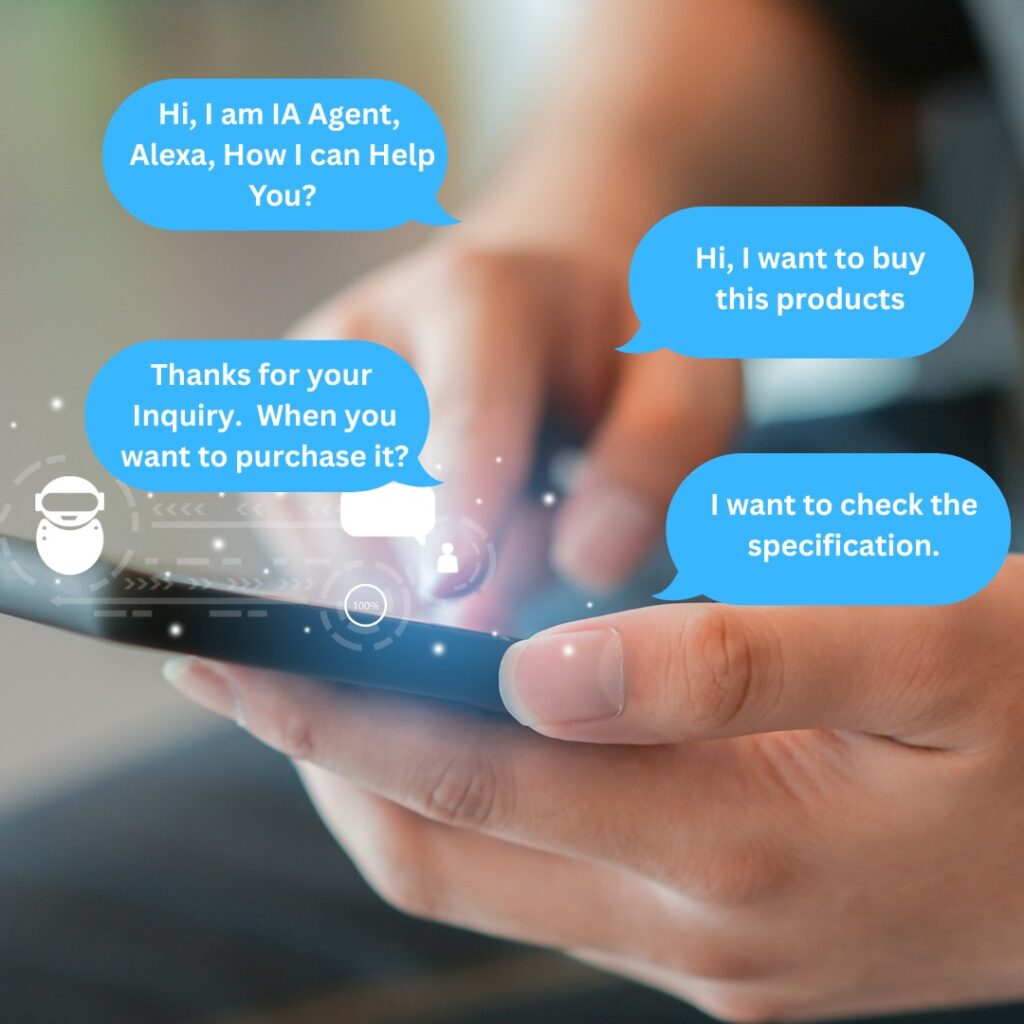
“Advanced” chatbots and voice assistants maintain 70-80% customer service queries 24/7, while automatically identifying prospects and making sales through natural language processing. The increase in voice search over 1 billion queries a month has led to conversational SEO optimization through Siri, Alexa, and Google Assistance. A multimodal search utilizes text, images, and speech to enable wider searches. “Agentic” AI agents facilitate the entire journeys, including lead nurturing emails right through to retention emails. Trust and exact targeting are maned through privacy-centric strategies in zero-party data.
Challenges and Future-Proof Strategies
While 80-90% of marketers adopt AI, ethical concerns like bias and data privacy demand transparent algorithms and compliance. Small agencies thrive by stacking affordable tools (Chat GPT + Canva Magic + HubSpot Breeze) for competitive edges.
To adapt:
- Integrate AI into workflows for content, ads, and analytics daily.
- Measure ROI via clear KPIs like conversion lift and cost savings.
- Train teams on AI ethics and multimodal content for 2026 readiness.
AI isn’t replacing marketers—it’s amplifying them, turning data into actionable growth in 2026. Agencies ignoring this shift risk obsolescence amid rising competition.